
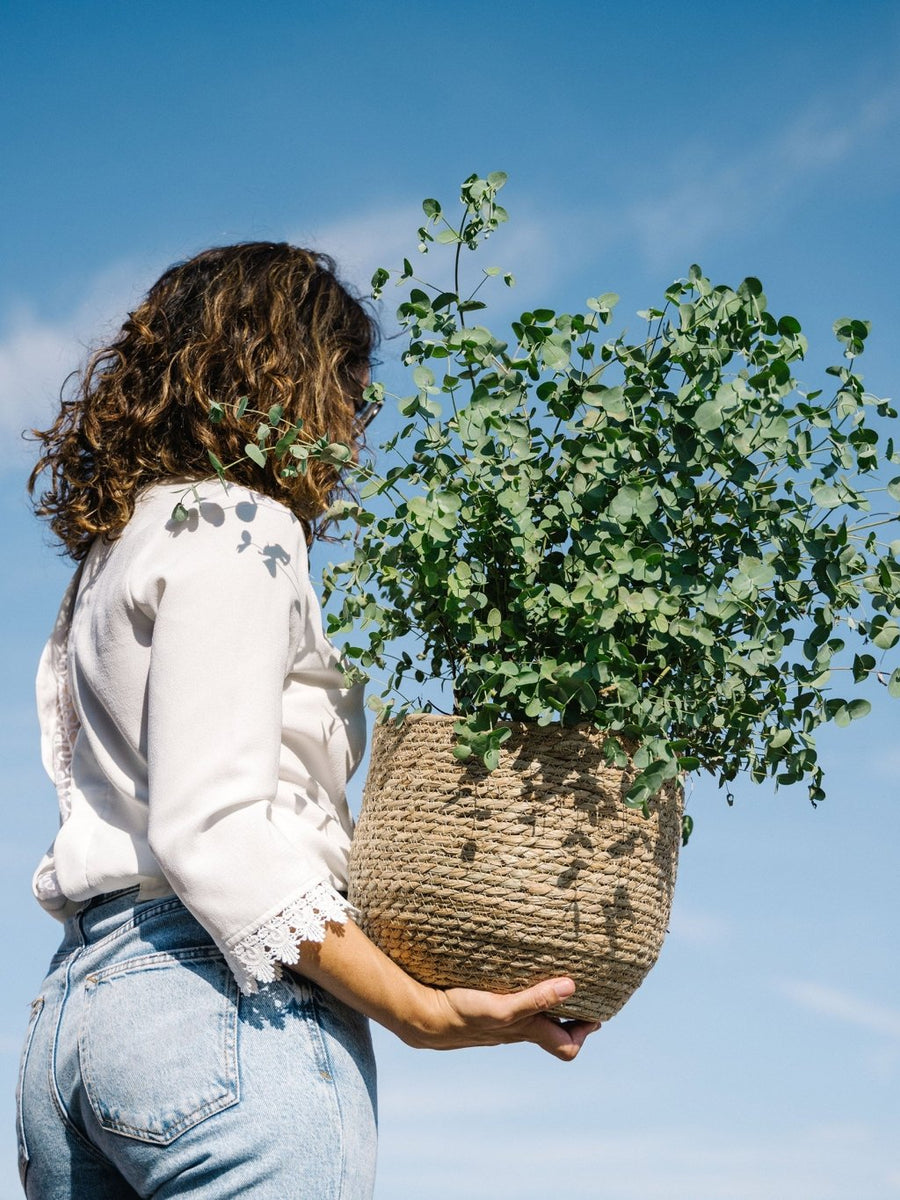

Syngonium Maintenance

The Syngonium, native to the tropical regions of America, is distinguished by its elegant leaves which often feature interesting designs and a variety of colors, ranging from green bright to pink pale. This plant is not only aesthetically appealing, but is also renowned for its ability to purify the air, making it a popular choice for indoor spaces.
There are several varieties of Syngonium :
- Neon Pink Syngonium
- Syngonium podophyllum Red Maria
- Syngonium Pink Splash
- Syngonium podophyllum Sunshine Green
1. Watering the Syngonium
The frequency of watering depends on factors such as the size of the pot, the temperature ambient and humidity. In general, during the hot hot growing months (spring and summer), you may need to water your Syngonium a times per week. In fall and winter, reduce frequency as the plant enters a dormant period.Tip : Insert your finger 2-3cm deep into its soil. If it's dry, it's time to water. If it is damp, you can wait a few days.
2. Watering techniques
Vaporization of leaves
The Syngonium likes humidity. Spraying the leaves regularly with clean water helps maintain ambient humidity and prevent problems related to dry air.Downward watering
Base watering involves adding water directly to the pot's soil3. The Syngonium exhibition
Syngonium thrives in bright indirect light. Avoid direct exposure to sunlight, as this can burn the delicate leaves.4. When to repot the Syngonium ?
The Syngonium must generally be repotted every 1 to 2 years, in spring or at early summer. This is the period of growth active of the plant, which facilitates its adaptation to its new pot and its mixture of ground. The signs that your plant needs to be repotted :Root crowding
If you notice that the roots of the Syngonium have completely filled the pot and are starting to come out of the drainage holes, this is a sure sign that it is time to repot. Insufficient growing space can limit the development of the plant.Slow growth
If your Syngonium is growing more slowly than before despite proper care in terms of light, watering and fertilizer, this may indicate that the plant has exhausted the nutrients in its current soil and needs a larger space.Exhausted soil
If your Syngonium's soil mix is compacted, drained, or no longer retains moisture effectively, it may be time to repot. Depleted soil can lead to poor overall plant health.Protruding roots
If the Syngonium's roots begin to protrude through the pot's drainage holes or form a dense ball on the surface of the soil, this is an indicator that the plant needs new space to grow.Yellow or wilted leaves
Yellow or wilted leaves can be a sign of root stress due to lack of space or depleted soil. If you have eliminated other problems such as overwatering, consider repotting.5. What fertilizer to use for my Syngonium ?
A fertilizer specially formulated for indoor green plants is a great option for your Syngonium. Here are tips for choosing and applying fertilizer optimally:Fertilizer Frequency
During the active growing period, usually spring and summer, fertilize your Syngonium every 4 to 6 weeks. In fall and winter, when growth slows, reduce frequency to about once every 6 to 8 weeks.6. How to multiply my Syngonium ?
For multiplyPlace the cutting in a substrate light and welldraining , ensuring that at least one node is buried. place the cutting in a place bright , but protected from direct sunlight. The roots should begin to train ina few weeks .
7. Syngonium diseases
Syngonium is generally a hardy plant and not very prone to disease, but like all plants it can be affected by certain problematic conditions. Here are some common diseases and problems your Syngonium might face:Root rot
Root rot usually occurs due to excess moisture in the soil. The roots become soft, brownish and can come off easily.Grey mold
This fungal disease can appear as gray or brown spots on the leaves. It thrives in humid and poorly ventilated environments.Leaf spots
Leaf spots can be caused by various fungal or bacterial diseases. They appear as discolored spots on the leaves.Mealybugs, aphids and mites
These pests can suck sap from Syngonium leaves, causing leaves to wilt, yellow, and become distorted.Yellow leaves
Yellow leaves can be caused by problems with overwatering, underwatering, low light or nutrient deficiencies.8. Delivery and reception of your plant
- Your plante st dry ? Bathe her for ten minutes.
- Your plante st wet ? Let the potting soil dry.
- Do I must repotmy plant all immediately ? No! Wait until next spring or for signs that your plant needs repotting.
D'autres fiches
pour vos plantes.
Chaque variété a sa fiche d'entretien complète, rédigée par Laetitia et l'équipe. Trouvez celle qui vous manque.

Entretien - Érable Du Japon (Acer palmatum) : Guide pratique
Guide d’entretien de l’Érable du Japon (Acer palmatum) : exposition idéale, arrosage, sol, planta...

Entretien - Épicéa Blanc (Picea glauca) : Guide pratique
Guide pratique pour réussir l’entretien de l’Épicéa Blanc (Picea glauca) au jardin ou en pot : lu...

Entretien - Échinacée (Echinacea purpurea) : Guide pratique
Conseils d’entretien de l’échinacée : exposition, arrosage, sol drainant, taille des fleurs fanée...

Entretien - Waldsteinie Faux-Fraisier (Waldsteinia ternata) : Guide pratique
Guide d’entretien complet de la Waldsteinie faux-fraisier (Waldsteinia ternata) : exposition, arr...
Voir toutes nos fiches d'entretien →Pourquoi La Green Touch ?
Une petite famille française, en direct producteur, depuis bientôt 10 ans.

Direct producteur
Aucun intermédiaire entre nos producteurs et vous. Qualité supérieure, fraîcheur optimale, impact carbone réduit.

Livraison sécurisée
Colis spécialement conçu pour vos plantes. Expédition rapide, suivi fiable. Offerte dès 60 € par producteur.

Prête à offrir
Plante sélectionnée avec soin, emballage dédié et guide d'entretien inclus. Le cadeau idéal.

Conseil inclus
Plus de 100 000 clients accompagnés. Notre équipe reste disponible pour vous aider à prendre soin de vos plantes, à tout moment.