
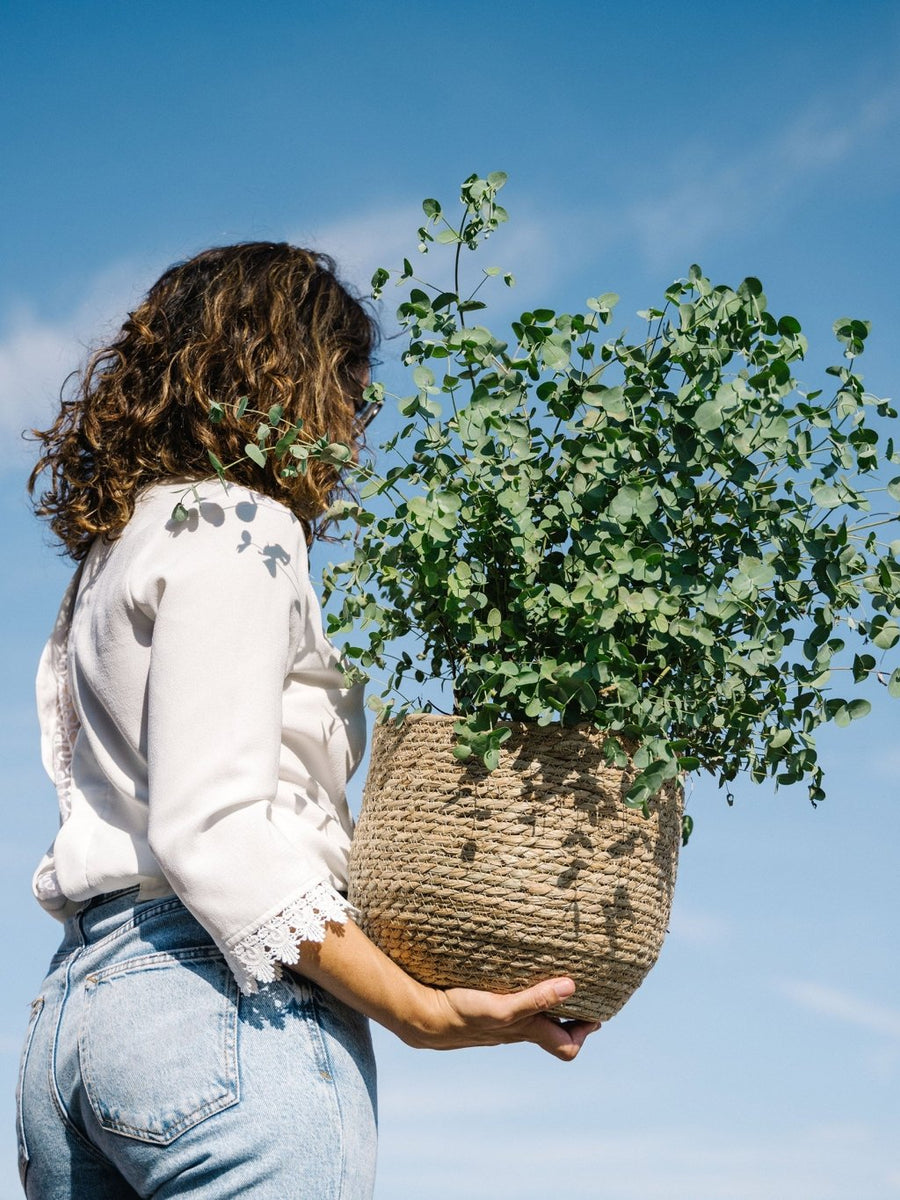

Ivy Maintenance

The Ivy (Hedera) is a popular houseplant loved for its cascading beauty and its ability to adapt to various conditions of growth. Boasting vibrant leaves and vigorousgrowth, Ivy is the ideal companion to bring a touch of greenery to your space interior.
The leaves of Ivy exhibits a variety of shapes and textures, ranging from smooth to lobed. Some varieties feature variegated patterns, adding a visual dimension to your interior.
Ivy is a climber natural. It can be grown on trellis, shelves hanging or supports to create a green waterfall effect.
1. Watering the Ivy
The frequency of watering depends on conditions environmental. In general, water when the top layer top of the soil is dry, but avoid letting the soil become completely dry.When you water, make sure the water flows gently to through the pot. Water enough so that excess water drains out of the pot's drainage holes.
Tip : Insert your finger into the ground until a depth of approximately 2 to 3 cm. If the soil is dry at this depth, it is usually time to water it.
2. Watering techniques
Watering from below
Base watering involves adding water directly to the pot's soilWatering can with fine spout
Gently and evenly water the soil around the plant. Make sure water drains freely through the pot's drainage holes. Avoid watering the leaves directly to reduce the risk of fungal diseases.3. The exhibition of Ivy
Exposure to light is a crucial element for the well-being and growth of your Ivy. Choosing the right location and adjusting the exposure according to its needs will allow your plant to thrive.Ivy generally flourishes in bright indirect light. Avoid direct sunlight, as they can burn the delicate leaves of ivy.
4. When should I repot my Ivy ?
Repotting Ivy is an important step to ensure the health and optimal growth of your plant. Spring is generally the period optimal for repot your Ivy. This season marks the beginning of the season of growth active for many plants, including Ivy.Repotting at this time allows the plant to adapt more quickly to its new pot and take advantage of the period of vigorous growth to develop new roots. Here some signs to watch out for :
Visible roots
If you notice roots coming out of the pot's drainage holes or forming a dense tangle on the surface of the soil, it's time to repot. Excessive rooting may indicate that the current pot has become too small for the plant.Slowed growth
If your Ivy is growing more slowly than usual, has smaller leaves, or appears less vigorous despite proper care, this may be a sign that its roots are cramped and need more support. space to grow.Exhausted potting soil
If you have noticed water dripping quickly through the pot when watering, this may indicate that the soil has become compacted and less effective at retaining moisture and nutrients.Frequent watering
If your Ivy requires very frequent watering because the soil dries quickly, this could indicate that the pot has become too small to hold enough water.Leaf loss
If your Ivy suddenly loses a lot of leaves for no apparent reason, it could be due to stress caused by cramped roots or drainage issues.5. What fertilizer to use for my Ivy ?
For indoor ivy, you can opt for a balanced fertilizer formulated for indoor green plants. Here are some tips for better use :Dosage and frequency
In general, apply fertilizer every 4 to 6 weeks during the Ivy's active growth period (spring and summer). Reduce the frequency during the fall and winter months when growth is slower. Carefully follow the dosage instructions on the fertilizer package. Using more than recommended may cause excess salts to build up in the soil, which may harm the plant.Water before fertilizer
Before applying fertilizer, water your Ivy with water. This helps avoid excessive concentration of salts and nutrients around the roots.Avoid the leaves
Avoid putting fertilizer directly on the Ivy's leaves, as this can cause burning or spotting. Fertilizer must be applied to the soil so that the roots can absorb it.6. How to multiply my Ivy ?
For multiply your Ivy, YOU can use the method de cuttings in taking a stems healthy. Cut a section of stem approximately 5 to 10cm long, just below a knot. Remove the bottom leaves to expose the nodes.Place the cutting in a substrate light and well draining , ensuring that at least one node is buried. Keep the substrate slightly damp and place the cutting in abright place , but protected from direct sunlight. The roots should begin to train ina few weeks . The Ivy is generally a robust plant, but like all plants, it can be subject to certain diseases. Here are some common diseasesthat could affect your Ivy : Powdery mildew is a fungal disease that appears as a white or gray powdery coating on the leaves. Root rot is caused by excess moisture in the soil Anthracnose is another fungal disease that causes brown, necrotic spots on leaves. Mealybugs and aphids are harmful insects that can attack ivy. They feed on plant sap. Leaf spots can be caused by different bacteria or fungi and appear as spots of different sizes and colors on the leaves.7. Diseases of Ivy
Powdery mildew
Root rot
Anthracnose
C acherpillars and aphids
Leaf spots
8. Delivery and reception of your plant
- Your plant e st dry ? Bathe her for ten minutes.
- Your plant e st wet ? Let the potting soil dry.
- Do I must repot my plant all immediately? No! Wait until next spring or for signs that your plant needs repotting.
D'autres fiches
pour vos plantes.
Chaque variété a sa fiche d'entretien complète, rédigée par Laetitia et l'équipe. Trouvez celle qui vous manque.

Entretien - Érable Du Japon (Acer palmatum) : Guide pratique
Guide d’entretien de l’Érable du Japon (Acer palmatum) : exposition idéale, arrosage, sol, planta...

Entretien - Épicéa Blanc (Picea glauca) : Guide pratique
Guide pratique pour réussir l’entretien de l’Épicéa Blanc (Picea glauca) au jardin ou en pot : lu...

Entretien - Échinacée (Echinacea purpurea) : Guide pratique
Conseils d’entretien de l’échinacée : exposition, arrosage, sol drainant, taille des fleurs fanée...

Entretien - Waldsteinie Faux-Fraisier (Waldsteinia ternata) : Guide pratique
Guide d’entretien complet de la Waldsteinie faux-fraisier (Waldsteinia ternata) : exposition, arr...
Voir toutes nos fiches d'entretien →Pourquoi La Green Touch ?
Une petite famille française, en direct producteur, depuis bientôt 10 ans.

Direct producteur
Aucun intermédiaire entre nos producteurs et vous. Qualité supérieure, fraîcheur optimale, impact carbone réduit.

Livraison sécurisée
Colis spécialement conçu pour vos plantes. Expédition rapide, suivi fiable. Offerte dès 60 € par producteur.

Prête à offrir
Plante sélectionnée avec soin, emballage dédié et guide d'entretien inclus. Le cadeau idéal.

Conseil inclus
Plus de 100 000 clients accompagnés. Notre équipe reste disponible pour vous aider à prendre soin de vos plantes, à tout moment.