
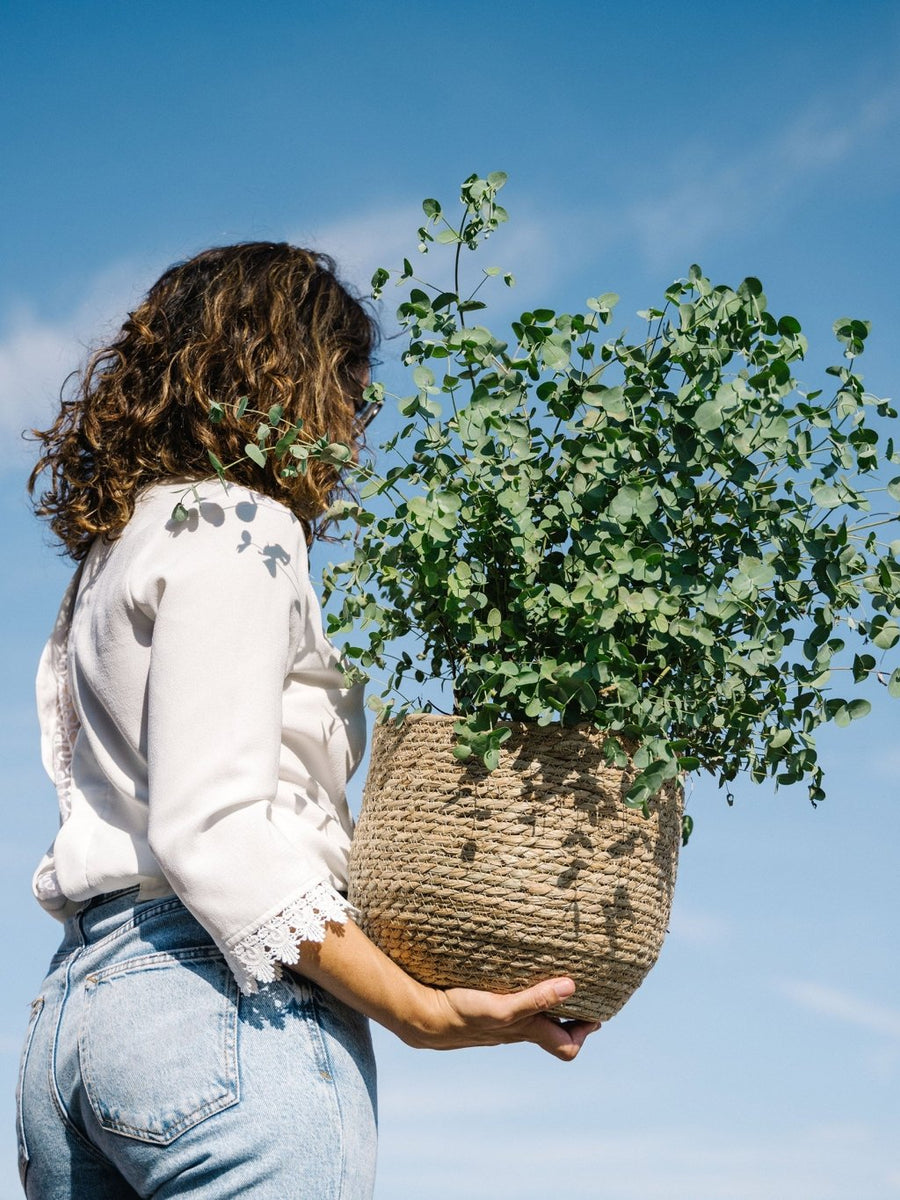


Laurel



Tout savoir sur
cette collection.
À propos de cette collection
Laurel selection guide for your garden
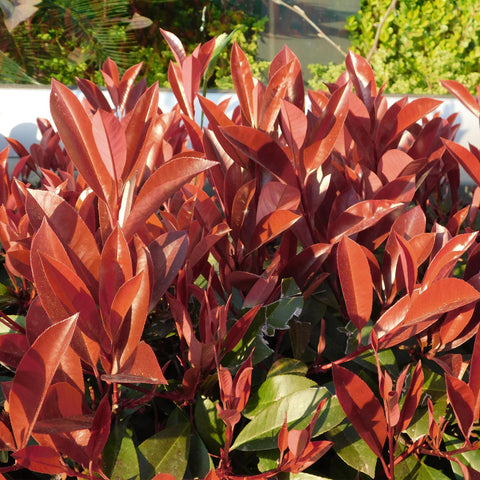
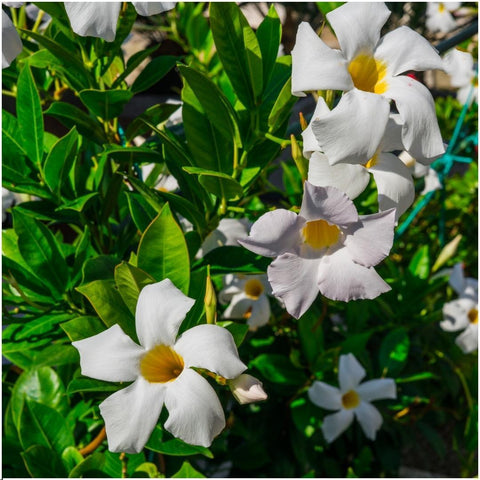
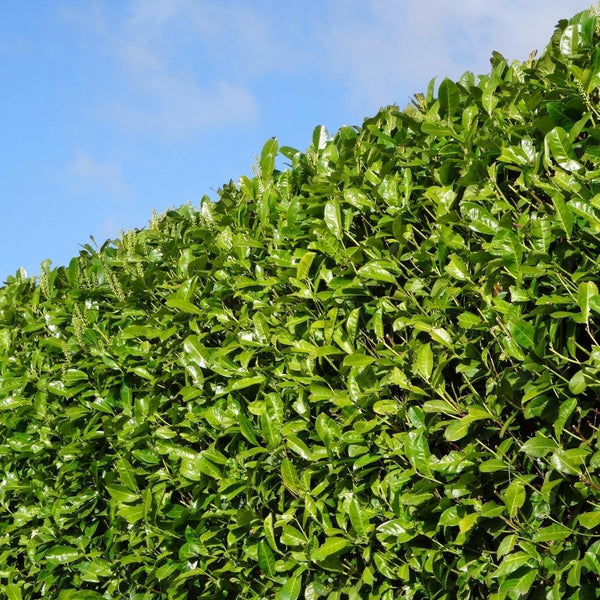
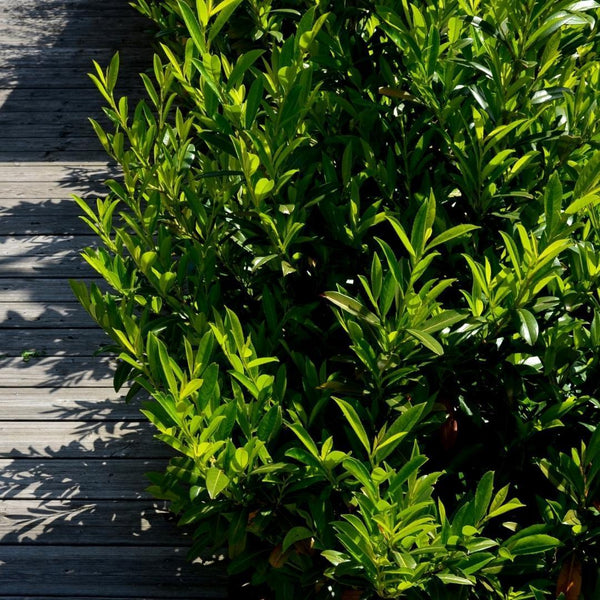
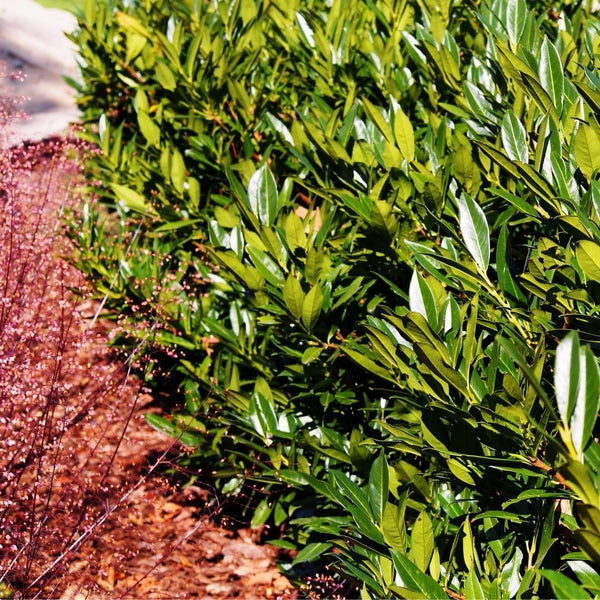
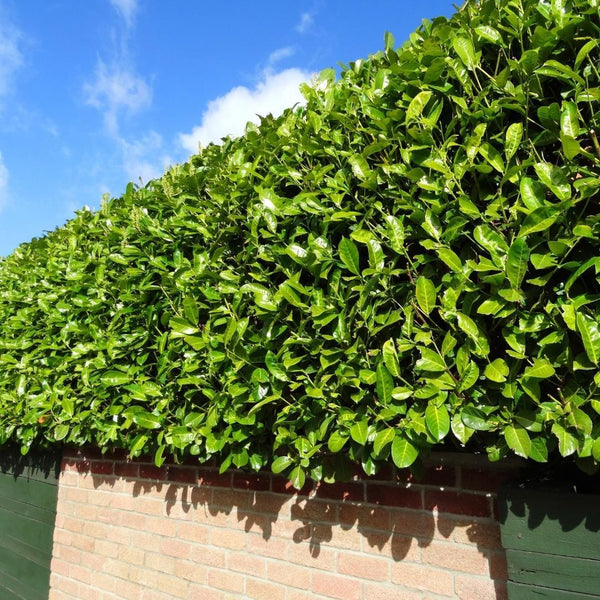
Choosing your laurel depends on your landscaping project. The oleander offers generous, colorful flowering, ideal for sunny flower beds. The bay laurel combines decorative appeal and culinary use, perfect near the kitchen. For hedges, choose cherry laurel or Portuguese laurel, with dense, evergreen foliage.
Consider your garden's exposure: laurels generally appreciate sun or partial shade. Adult size is also crucial: some varieties can reach several meters in height. For small spaces, opt for compact varieties or plan regular pruning.
Everything you need to know about laurels
Characteristics of different varieties
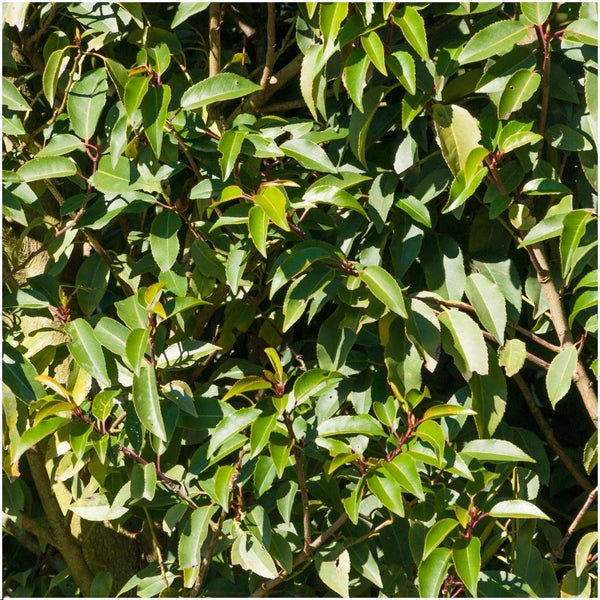
Laurels form a diverse family of shrubs with varied properties. Laurus nobilis (bay laurel) stands out for its aromatic leaves used in cooking, while Nerium oleander (oleander) captivates with its spectacular flowering. Prunus laurocerasus (cherry laurel) excels as a hedge plant thanks to its rapid growth and dense foliage.
Optimal growing conditions
Laurels adapt to many soils, but prefer well-drained and fertile soil. A sunny to partially shaded exposure suits most species. Cold resistance varies by variety: bay laurel tolerates -15°C, while oleander requires winter protection in cold regions.
Planting and maintenance
Plant your laurels preferably in autumn or spring. Dig a hole twice as wide as the root ball and amend the soil with compost. Regular watering is essential in the first year. Annual pruning after flowering maintains their shape and stimulates growth.
Garden uses
Versatile, laurels integrate into all garden styles. As a loose or trimmed hedge, they offer privacy and wind protection. In flower beds, they structure the space with their evergreen foliage. Some varieties can also be grown in containers to decorate terraces and balconies.
5 bonnes raisons de choisir nos laurier
- Qualité producteur — Nos plantes sont cultivées avec soin par des producteurs spécialisés et livrées en parfait état.
- Large choix de variétés — Des centaines de références pour trouver la plante qui correspond à votre intérieur et vos envies.
- Livraison sécurisée — Emballage adapté à chaque plante pour une livraison sans stress, partout en France.
- Guide d'entretien inclus — Chaque commande est accompagnée de conseils personnalisés pour garder vos plantes en pleine forme.
- Satisfaction garantie — Plus de 100 000 clients nous font confiance. Service client réactif et à l'écoute.
Questions fréquentes
What is the best time to plant a laurel?
Planting is ideally done in autumn (October-November) or spring (March-April), avoiding frost periods. These seasons allow optimal root development before summer or winter stress.
Are laurels toxic?
Oleander is indeed toxic in all its parts and must be handled with caution. Conversely, bay laurel is edible and widely used in cooking. Always verify the species before any use.
How to prune a laurel correctly?
Prune after flowering for oleanders, or in late winter for other varieties. Use clean, disinfected pruning shears. Remove dead wood, open up the center, and shorten branches according to desired shape.
What spacing should be respected between plants for a hedge?
Space laurels 80 cm to 1.5 m apart depending on the variety and desired effect. For a dense hedge quickly, plant closer (80 cm). To allow natural development, opt for 1.2 to 1.5 m spacing.
Do laurels resist drought well?
Once established, most laurels tolerate summer drought well. Oleander is particularly resistant. Nevertheless, occasional watering during very dry periods promotes beautiful flowering and dense foliage.
Can you grow a laurel in a pot?
Yes, many varieties can be grown in containers. Choose a pot at least 40 cm in diameter, with drainage holes. Use quality potting soil and water regularly. Annual pruning limits development according to available space.
Guide d'entretien Laurel
Consultez notre fiche complète avec tous les conseils pour prendre soin de vos plantes.
Pourquoi La Green Touch ?
Petite entreprise familiale française, en direct producteur, depuis bientôt 10 ans.

Direct producteur
Aucun intermédiaire entre nos producteurs et vous. Qualité supérieure, fraîcheur optimale, impact carbone réduit.

Livraison sécurisée
Colis spécialement conçu pour vos plantes. Expédition rapide, suivi fiable. Offerte dès 60 € par producteur.

Prête à offrir
Plante sélectionnée avec soin, emballage dédié et guide d'entretien inclus. Le cadeau idéal.

Conseil inclus
Plus de 100 000 clients accompagnés. Notre équipe reste disponible pour vous aider à prendre soin de vos plantes, à tout moment.