
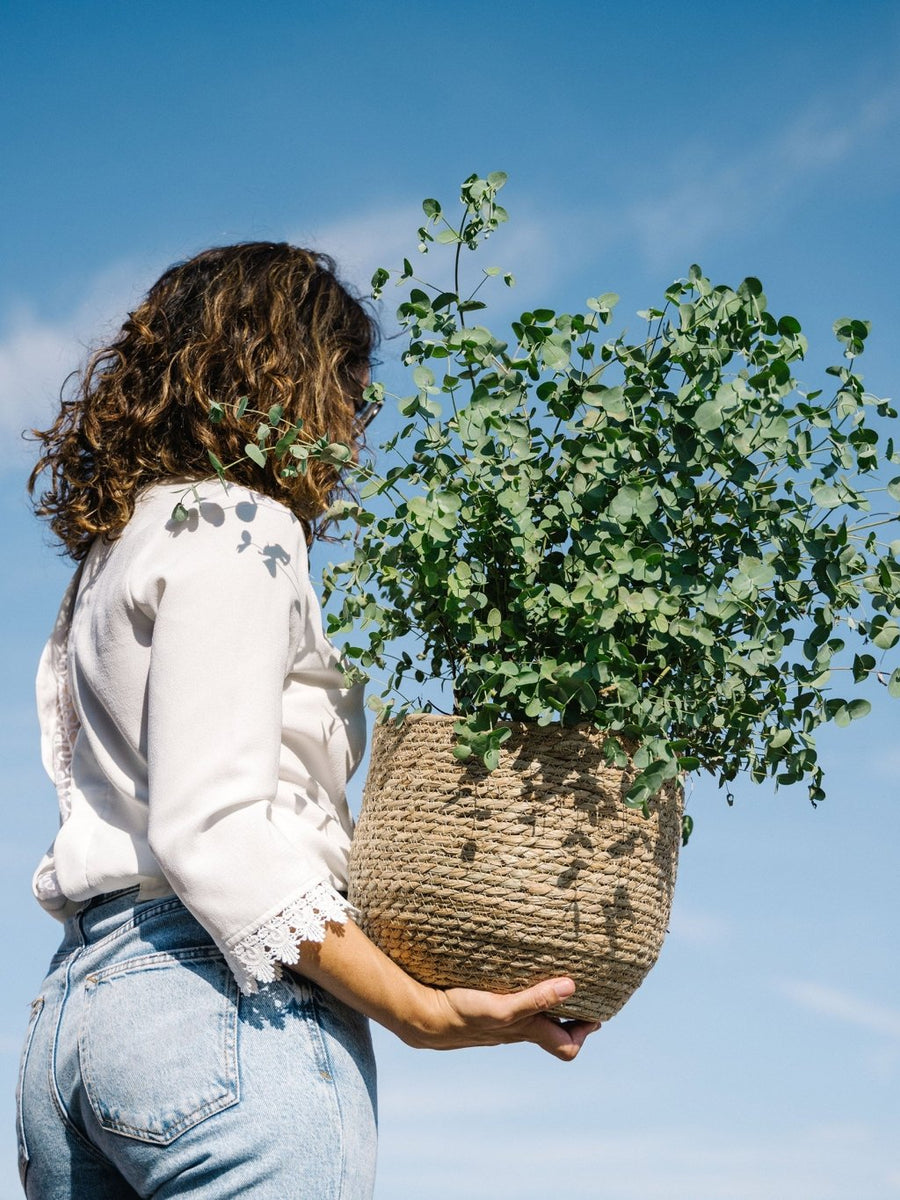

Fertilizing your plants, what is it ?

You have already heard about fertilization but do not really know what it is? You do know, however, that this practice helps your plants to grow well and be healthy. That said, fertilization is not always a must. You should not fertilize all your plants automatically. So how do you know if you should fertilize a particular plant? We tell you everything about fertilizing plants, in which cases to do it, and especially when and how to go about it.
What is fertilizing a plant?
To put it simply, fertilizing a plant is more or less the same as feeding it, providing it with the mineral nutrients it needs to ensure good growth. This practice consists of helping the plant, if and only if it is not able to find what it needs in the soil by itself. It should be kept in mind that a plant is supposed to be able to draw its resources from its environment without any help. Thus, fertilizing plants is not to be practiced in all circumstances.
First of all, we will adapt this practice according to the soil, whether it is rich or rather poor. Indeed, the natural resources found in the soil are sometimes limited for certain plants that we plant. It will also be necessary to adapt your practice according to the plant. Thus, if the latter is very greedy, like bamboo for example, it will be better to think about fertilizing it in order to ensure its good growth. To fertilize a plant, we use fertilizer. You can also opt for compost.
Why is this necessary?
Fertilizing an outdoor plant will be necessary when the soil in which it is planted is poor. This is often the case on the grounds of new houses. In these cases, it is important to be able to provide the plants with a supplement so that they can feed themselves properly. When the soil is poor, you will have to consider fertilizing your plants.
PFor example, in so-called "normal" soil, which has been cultivated for a long time, the natural resources present may be limited, especially for certain plants which are more demanding. In the case where fertilization does not take place, the plant will not die but will grow very slowly.
The practice of fertilization becomes really necessary in regions like the south for example where the land can be very sandy and stony. These lands are poor in resources for the plants that grow there, fertilization is therefore essential in this kind of case, in order to obtain lush vegetation. If you can, ideally you should plant plants in your garden based on the soil you find there and therefore its possibilities in terms of resources to feed your plants.
So, if you have rather poor soils, you can favor plants such as heather or broom. This will make things easier for you in terms of maintenance all year round. However, if you want to have lush vegetation in poor soil, you will then have to opt for fertilizing your plants so that they are properly nourished.
As for your indoor plants, In order to stimulate their growth all year round, it is also quite possible to fertilize them. You can therefore fertilize your indoor plants during their growth period, for the most part between March and October. Keep in mind that it is important to only fertilize plants that are actively growing. In fact, it doesn't matter what the season is.
If a plant is not showing signs of growth when you decide to fertilize it, it will not be able to absorb the minerals you offer it. These minerals may accumulate in the soil and then damage the roots. Therefore, you should not use fertilizer to force the growth of a plant, but rather fertilize it when it has already shown signs of obvious growth.
How to fertilize a plant?
So how exactly does fertilization work? How do you do it? First of all, there are a large number of fertilizers on the market. They come in the form of granules or sticks. Some are long-release and will feed the plant over the long term. Others fertilizers act in a single application. So there are many types of fertilizers that can all be used for all your plants: organic fertilizers, mineral fertilizers and mixed fertilizers.
In order to fertilize, you will therefore first have to decide on the type of fertilizer you want to use, in granular or liquid form, organic, mineral or mixed. It is up to you to see what suits you best in terms of application. Then find out about the right dose to give to your plants. Indeed, an overdose could burn and damage them. Read the instructions carefully before starting to fertilize your plants.
When to fertilize your plants?
Most plants stay green all year round if they are well maintained. This may suggest that they grow all year round, but this is not the case. In winter, most plants enter a dormant phase and take a break.
In order to take advantage of the best period, when they are in full growth, we therefore recommend that you fertilize your plants between March and October, depending on their variety. There are some exceptions to the period for fertilizing your plants, but assume that you fertilize a plant when it is in full growth and especially not when it is in full distress or in bad shape, contrary to what one might think!
D'autres fiches
pour vos plantes.
Chaque variété a sa fiche d'entretien complète, rédigée par Laetitia et l'équipe. Trouvez celle qui vous manque.

Entretien - Érable Du Japon (Acer palmatum) : Guide pratique
Guide d’entretien de l’Érable du Japon (Acer palmatum) : exposition idéale, arrosage, sol, planta...

Entretien - Épicéa Blanc (Picea glauca) : Guide pratique
Guide pratique pour réussir l’entretien de l’Épicéa Blanc (Picea glauca) au jardin ou en pot : lu...

Entretien - Échinacée (Echinacea purpurea) : Guide pratique
Conseils d’entretien de l’échinacée : exposition, arrosage, sol drainant, taille des fleurs fanée...

Entretien - Waldsteinie Faux-Fraisier (Waldsteinia ternata) : Guide pratique
Guide d’entretien complet de la Waldsteinie faux-fraisier (Waldsteinia ternata) : exposition, arr...
Voir toutes nos fiches d'entretien →Pourquoi La Green Touch ?
Une petite famille française, en direct producteur, depuis bientôt 10 ans.

Direct producteur
Aucun intermédiaire entre nos producteurs et vous. Qualité supérieure, fraîcheur optimale, impact carbone réduit.

Livraison sécurisée
Colis spécialement conçu pour vos plantes. Expédition rapide, suivi fiable. Offerte dès 60 € par producteur.

Prête à offrir
Plante sélectionnée avec soin, emballage dédié et guide d'entretien inclus. Le cadeau idéal.

Conseil inclus
Plus de 100 000 clients accompagnés. Notre équipe reste disponible pour vous aider à prendre soin de vos plantes, à tout moment.