
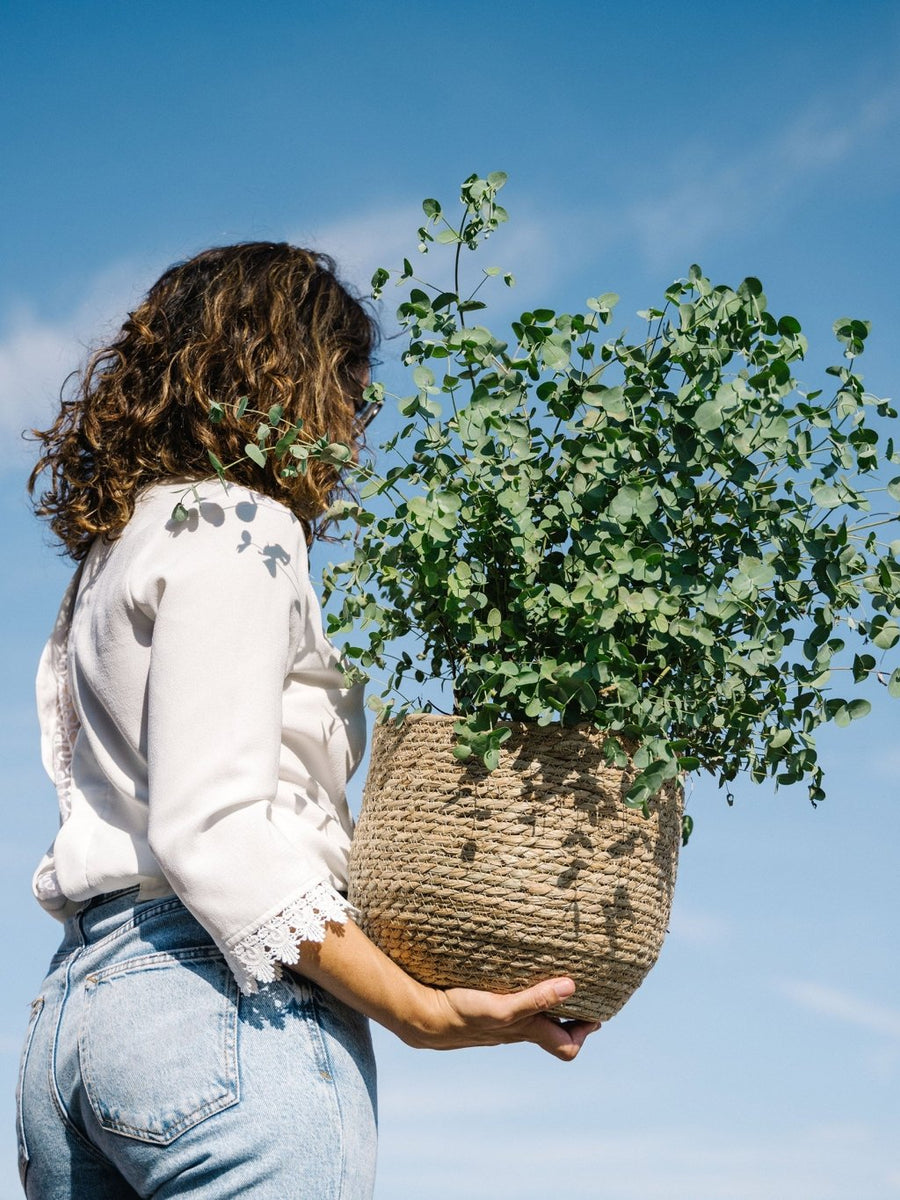

Fittonia Maintenance

Among its most prized gems, the varieties Fittonia Red and Fittonia Green stand out with brilliance.
The Fittonia Rouge, a true burst of fire, features shades of red vivid which illuminate every corner of your living space.
The Fittonia Green displays a soothing elegance and refined simplicity, its leaves a green lush
1. Watering the Fittonia
The Fittonia prefers soil slightly humid, but not soggy. Excess water can result rot of roots. When watering, add water until it begins to flow through the holes drainage into the pot, then leave the excess of water to drip.The frequency of watering depends on several factors such as size of the pot , the temperature ambient andhumidity . In general, water approximately one times per week during the season of growing( spring andsummer ) and reduce the frequency to once times both weeks in autumn and in winter when the plant is less active.
Tip : Insert your finger into the soil to a depth approximately 2 to 3 cm . If the soil is dry at this depth, it is usually time to water it.
2. Watering techniques
Gentle and gradual watering
Pour water slowly and gently at the base of the plant. Avoid excessive or harsh watering, as this can compact the soil and disrupt the plant's sensitive roots.Watering from below
Place the pot in a shallow saucer filled with water. Allow the plant to absorb water by capillary action through the drainage holes for approximately 20-30 minutes. Be sure to empty any excess water into the saucer after watering.3. The exhibition ofFittonia
The Fittonia thrives inbright indirect light . Avoid direct sunlight, as it can burn the leaves delicate of the plant. Place your Fittonia near a window with a curtain sail or in an area where the light is diffused and well distributed.Windows facing to east or west are generally best for Fittonia. They offer moderate brightness in the morning or afternoon, avoiding the most intense sun rays of the day.
4. When should I repot my Fittonia ?
The period ideal for repotting the Fittonia is generally at beginning of spring, when the plant enters its period of growth active. At that time, the plant will be better equipped to adapt to its new pot and conditions for growth improved.
Iit is recommended to repot the Fittonia every 1 to 2 years. This allows to renew the substrate, to offer more of space to roots in growth and to promote a better health general of the plant. Here are some signs to watch out for:
Outgoing roots
If you notice roots starting to come out of the drainage holes of the current pot, this is a clear indicator that your Fittonia is running out of space and needs a larger pot.Slow growth
If your Fittonia seems to stop growing as vigorously as before, despite proper care, this may be a sign that the roots are cramped and it is time to repot.Slow drainage
When watering the plant, observe whether the water drains quickly through the pot or whether it has difficulty draining. If drainage is slow and water stagnates on the soil surface, this may indicate root compaction and a need for repotting.Pot sagging
If your Fittonia's pot is sagging or becoming unstable, this may be a sign that the roots have filled the available space and need more room to grow.Appearance of roots on the surface
If you notice roots starting to appear on the surface of the soil, this may indicate that the current pot has become too small to accommodate the roots.Exhausted potting mix
When the potting soil in the pot is depleted, it can lose its structure and ability to retain moisture and nutrients. If the soil becomes compacted, hard and difficult to moisten, it is time to repot.Wilted or yellowed leaves
If your Fittonia's leaves begin to wilt, fade, or turn yellow despite proper care, this may be a sign that the plant is no longer receiving needed nutrients due to lack of space.5. What fertilizer should I use for my Fittonia ?
Use a fertilizer specially formulated for plants indoor.These fertilizers provide the essential nutrients that your Fittonia needs to thrives in indoor environments. Vhere are some advice practical to guide you in the application of fertilizer to your nerve plant:Choose the right time
Apply fertilizer during the active growing period, which is generally spring and summer. This is when your Fittonia needs more nutrients to support its growth and flowering.Correct dilution
If you are using a liquid fertilizer, follow the package directions to dilute the fertilizer in water. Too concentrated a dilution can overload the plant with nutrients and cause damage. Too little dilution may not provide the necessary nutrients.Application frequency
For most liquid fertilizers, apply them every 4 to 6 weeks during the active growing season. Avoid over-fertilizing, as this can be harmful to the plant.6. How to multiply my Fittonia ?
To multiply your Fittonia, choose a healthy plant and cut a healthy stem with at least one or two leaves. Place the stem in water to promote the growth of roots. Wait for new roots to grow, then plant the stem in a pot with a potting mixture. Water regularly and keep the plant in shade partial for a while. Once the new plant has well grown, you can move it to a brighter place7. Diseases of Fittonia
The Fittonia may be susceptible to some health problems . Here are some diseases and problems common that can affect Fittonia :
Root rot
Overwatering or poor drainage can lead to root rot. Symptoms include wilted leaves, yellowing and wilting of the plant. To avoid this, make sure the soil dries slightly between waterings.Mildew
Downy mildew is a fungus that can cause white, gray or brownish spots to appear on leaves. It can grow in humid conditions. Be sure not to overwater and avoid splashing water on the leaves.Falling leaves
Falling leaves can be caused by sudden changes in conditions, such as a change in location or temperature fluctuations. Make sure the plant is in a stable and suitable location.Pests
Leaf discoloration
Leaves that turn yellow or pale may indicate nutrient deficiencies, such as nitrogen. Provide a balanced fertilizer to help maintain healthy growth.
8. Delivery and reception of your plant
- Your plant e st dry ? Bathe her for ten minutes.
- Your plant e st wet ? Let the potting soil dry.
- Do I must repot my
D'autres fiches
pour vos plantes.
Chaque variété a sa fiche d'entretien complète, rédigée par Laetitia et l'équipe. Trouvez celle qui vous manque.

Entretien - Érable Du Japon (Acer palmatum) : Guide pratique
Guide d’entretien de l’Érable du Japon (Acer palmatum) : exposition idéale, arrosage, sol, planta...

Entretien - Épicéa Blanc (Picea glauca) : Guide pratique
Guide pratique pour réussir l’entretien de l’Épicéa Blanc (Picea glauca) au jardin ou en pot : lu...

Entretien - Échinacée (Echinacea purpurea) : Guide pratique
Conseils d’entretien de l’échinacée : exposition, arrosage, sol drainant, taille des fleurs fanée...

Entretien - Waldsteinie Faux-Fraisier (Waldsteinia ternata) : Guide pratique
Guide d’entretien complet de la Waldsteinie faux-fraisier (Waldsteinia ternata) : exposition, arr...
Voir toutes nos fiches d'entretien →Pourquoi La Green Touch ?
Une petite famille française, en direct producteur, depuis bientôt 10 ans.

Direct producteur
Aucun intermédiaire entre nos producteurs et vous. Qualité supérieure, fraîcheur optimale, impact carbone réduit.

Livraison sécurisée
Colis spécialement conçu pour vos plantes. Expédition rapide, suivi fiable. Offerte dès 60 € par producteur.

Prête à offrir
Plante sélectionnée avec soin, emballage dédié et guide d'entretien inclus. Le cadeau idéal.

Conseil inclus
Plus de 100 000 clients accompagnés. Notre équipe reste disponible pour vous aider à prendre soin de vos plantes, à tout moment.