
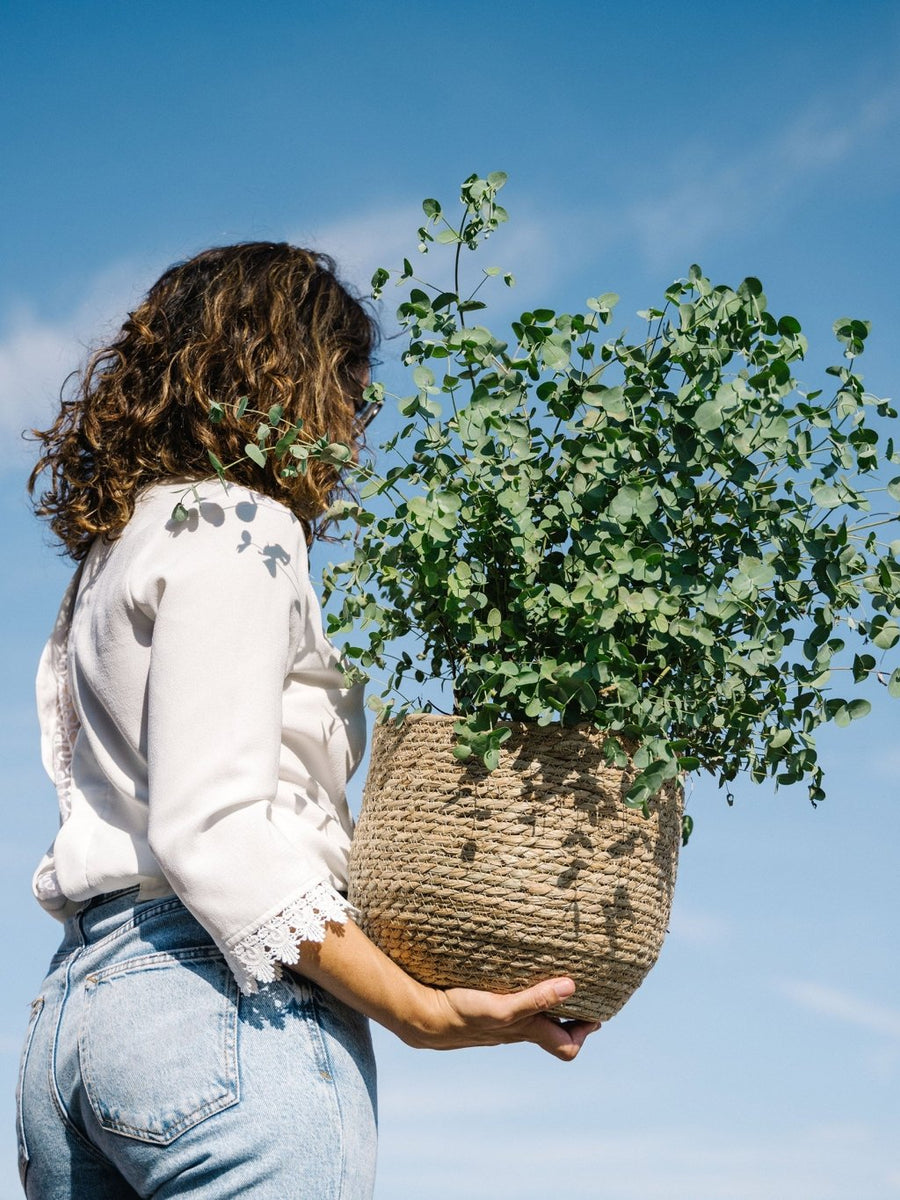


Plantes pour Massifs : Structurez et colorez votre jardin


Caractéristiques
Type de plantes
Exposition 1
Plant family
Plantation
Floraison
Pet's Friendly
Atouts
Arrosage








Tout savoir sur
cette collection.
À propos de cette collection
Donnez du relief at votre jardin with notre collection dédiée aux plantes pour massifs. Nous avons sélectionné des variétés aux ports et aux feuillages variés pour vous permettre de composer des scènes végétales équilibrées. Des arbustes structurants aux vivaces colorées, nos plantes de qualité pépinière sont choisies pour leur robustesse et leur capacité at s'épanouir ensemble, saison après saison.
How to choose your flower bed plants?
Creating a successful flower bed relies on the balance between heights, textures and colors. Start by defining the structure with evergreen shrubs like boxwood or photinias, then add perennials for seasonal color.
Consider your flower bed's exposure: sunny areas will perfectly welcome lavenders and ornamental grasses, while shaded spaces suit hostas and heucheras. The spread of each plant is crucial to avoid overcrowding and allow harmonious development.
Also think about flowering periods to maintain visual interest throughout the year, by combining spring bulbs, summer perennials and autumn ornamental berry shrubs.
Expert Guide: Creating Exceptional Flower Beds
Landscape composition principles
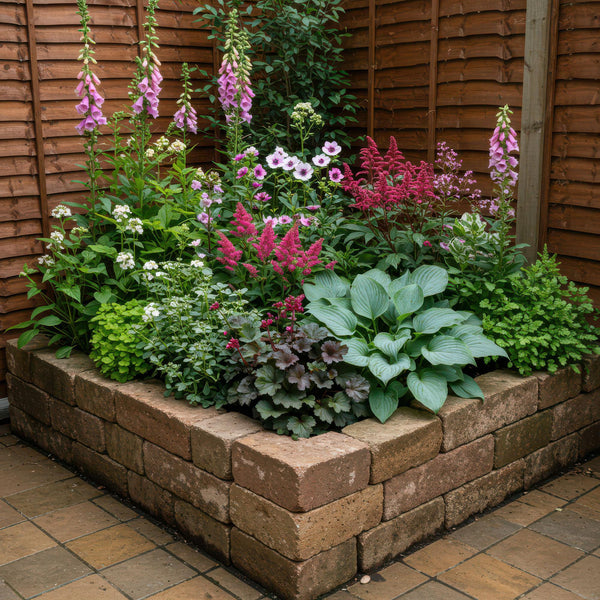
A successful flower bed follows the rule of three layers: background with shrubs of 1.5 to 3 meters, middle ground with perennials of 60 cm to 1.20 m, and foreground with ground cover plants or low spreaders. This stratification creates depth and naturally guides the eye.
Use repetition as your guiding thread: repeat certain species or colors at regular intervals to create a coherent visual rhythm. Odd groupings (groups of 3, 5 or 7 plants) are more natural than symmetrical plantings.
Harmonious plant associations
Mix contrasting textures: fine grasses foliage with large bergenia leaves, or rigid conifer form with supple perennials. Complementary colors create striking contrasts: orange and blue, violet and yellow.
Integrate plants with decorative foliage to maintain appeal even outside flowering periods. Purple heucheras, variegated hostas or copper-toned grasses provide permanent colored structure.
Technical flower bed management
Prepare the soil deeply with suitable organic amendment. Install decorative mulch to limit weeds and retain moisture. Plan an automatic irrigation system for the first years of establishment.
Pourquoi composer vos massifs avec La Green Touch ?
1. Sélection d'expert pour massifs réussis
Plus de 529 variétés soigneusement choisies par nos pépiniéristes pour leurs qualités ornementales et leur adaptation au climat français. Arbustes structurants, vivaces colorées, graminées graphiques : tout pour créer des compositions harmonieuses.
2. Plants robustes direct producteur
Nos plantes sont cultivées avec passion par des producteurs spécialisés qui maîtrisent parfaitement leurs variétés. Vous recevez des plants vigoureux, bien racinés, prêts à s'épanouir durablement dans vos massifs.
3. Conseils personnalisés d'aménagement
Notre équipe vous accompagne dans la conception de vos massifs : choix des associations, calcul des quantités, périodes de plantation. Bénéficiez de notre expertise pour créer des espaces uniques.
4. Emballage spécialement conçu pour les plantes
Chaque commande est préparée avec soin dans un emballage éco-responsable adapté qui protège parfaitement vos plants pendant le transport, garantissant leur arrivée en parfait état.
5. Large gamme pour tous les styles de jardins
Massifs contemporains, jardins romantiques, compositions méditerranéennes : notre collection répond à tous les styles paysagers avec des plantes adaptées à chaque exposition et type de sol.
Questions fréquentes
What is the best time to plant a flower bed?
Autumn is ideal for planting most shrubs and perennials. The still-warm soil promotes rooting, and winter rains reduce watering needs. For cold-sensitive plants, prefer spring after the last frosts.
How to calculate the number of plants needed?
Count the mature spread of each plant and divide your flower bed's surface by this figure. Add 20% for a denser effect from the first year. For ground covers, generally count 4 to 6 plants per m².
Should you mix annuals and perennials in a flower bed?
Absolutely! Perennials form the permanent structure, while annuals bring color and renewal. Use annuals to fill spaces while perennials develop or to create seasonal accents.
How to maintain a flower bed's balance over time?
Divide perennials every 3-4 years to prevent them from choking their neighbors. Prune shrubs after flowering to maintain their shape. Gradually replace failing plants while respecting the overall harmony.
Can you create a low-maintenance flower bed?
A flower bed always requires minimal maintenance, but you can reduce it considerably. Choose plants adapted to your local climate, install permanent mulching, and favor slow-growing species with natural form.
How to manage watering a mixed flower bed?
Group plants according to their water needs: Mediterranean plants together, fresh soil plants together. Install programmable drip irrigation with differentiated zones to optimize water supply according to areas.
Pourquoi La Green Touch ?
Petite entreprise familiale française, en direct producteur, depuis bientôt 10 ans.

Direct producteur
Aucun intermédiaire entre nos producteurs et vous. Qualité supérieure, fraîcheur optimale, impact carbone réduit.

Livraison sécurisée
Colis spécialement conçu pour vos plantes. Expédition rapide, suivi fiable. Offerte dès 60€ d'achat.

Prête à offrir
Plante sélectionnée avec soin, emballage dédié et guide d'entretien inclus. Le cadeau idéal.

Conseil inclus
Plus de 100 000 clients accompagnés. Notre équipe reste disponible pour vous aider à prendre soin de vos plantes, à tout moment.